Water Challenges on Larger, Outlying Lots
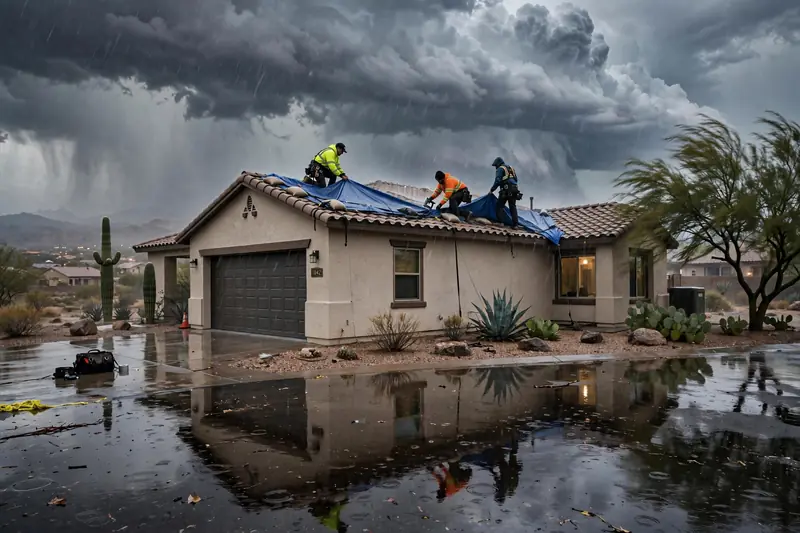
Space is the appeal – and the risk factor. On larger lots, monsoon runoff has room to build momentum: intense summer downpours can sheet across graded land and pool against foundations, seeping through stem walls, garage entries, and low door thresholds. Wind-driven rain hits harder out here too, with fewer structures to break the gusts, testing window seals and roof edges. Gutters and drainage swales clogged with desert debris only make it worse.
Inside, bigger homes mean more plumbing: longer supply runs, extra bathrooms, and water heaters working hard in garages. A failed hose or ice-maker line can run longer unnoticed in a larger floor plan, and homes left empty during travel can harbor a slow leak for weeks. More space means more exposure – and all the more reason for fast professional extraction and verified drying.
Our Restoration Process in Sierra Vista Estates
Here’s how we handle it, whatever the source:
1. Thorough inspection. We find the water’s entry point or failed component, then map every affected area with moisture meters and thermal imaging – including moisture that traveled inside walls and under flooring.
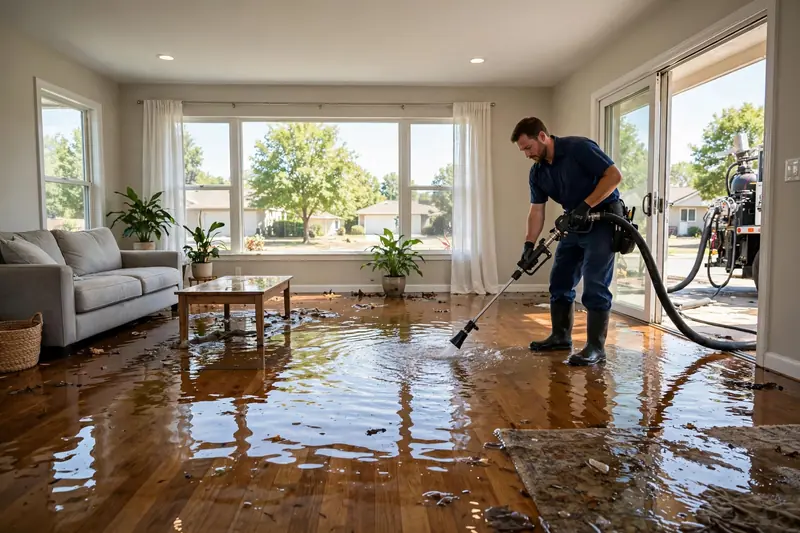
2. Complete water extraction. Industrial pumps and vacuums remove standing water from living spaces, garages, and any affected outbuildings’ interiors.
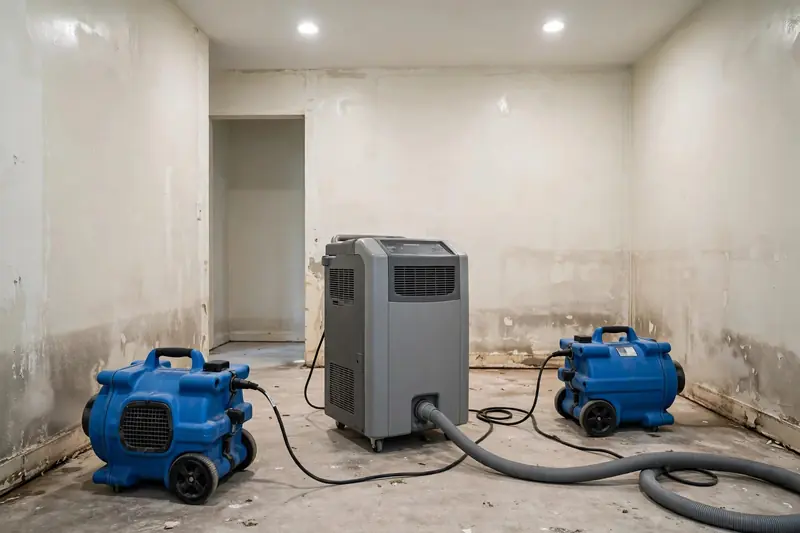
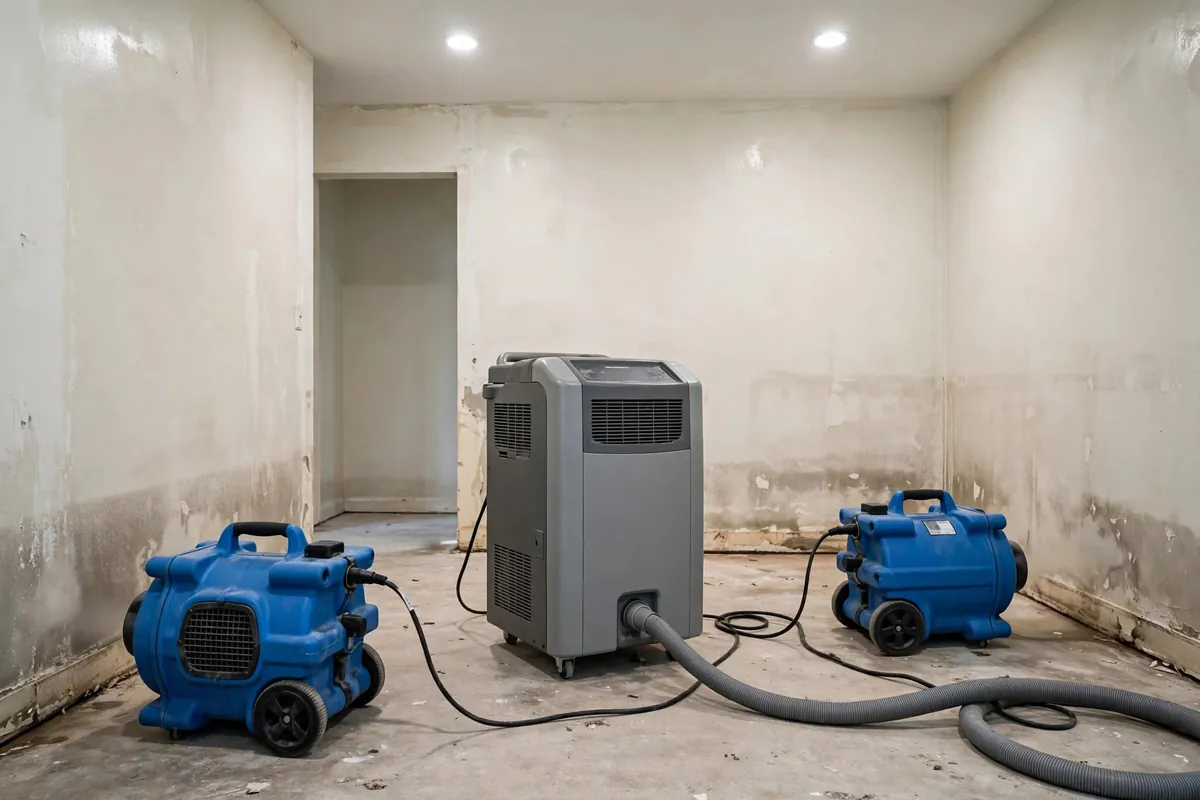
3. Scaled structural drying. We size our dehumidification equipment to the job – larger affected areas get more capacity – and monitor moisture daily until readings confirm the structure is truly dry.
4. Mold prevention and repairs. Antimicrobial treatments stop mold before it starts, then we repair drywall, flooring, and finishes to return your home to pre-loss condition.
For storm-driven events specifically, our flood damage restoration team is equipped for the heavy-water scenarios monsoon season delivers.
Why Fast Response Matters Out Here
Outlying homes are discovered later – that’s the honest truth. A leak that starts while you’re away has more time to spread, and Arizona’s heat means mold can begin within 24 to 48 hours on wet materials. Calling immediately – even if you’re unsure how bad it is – is the decision that saves the most.